
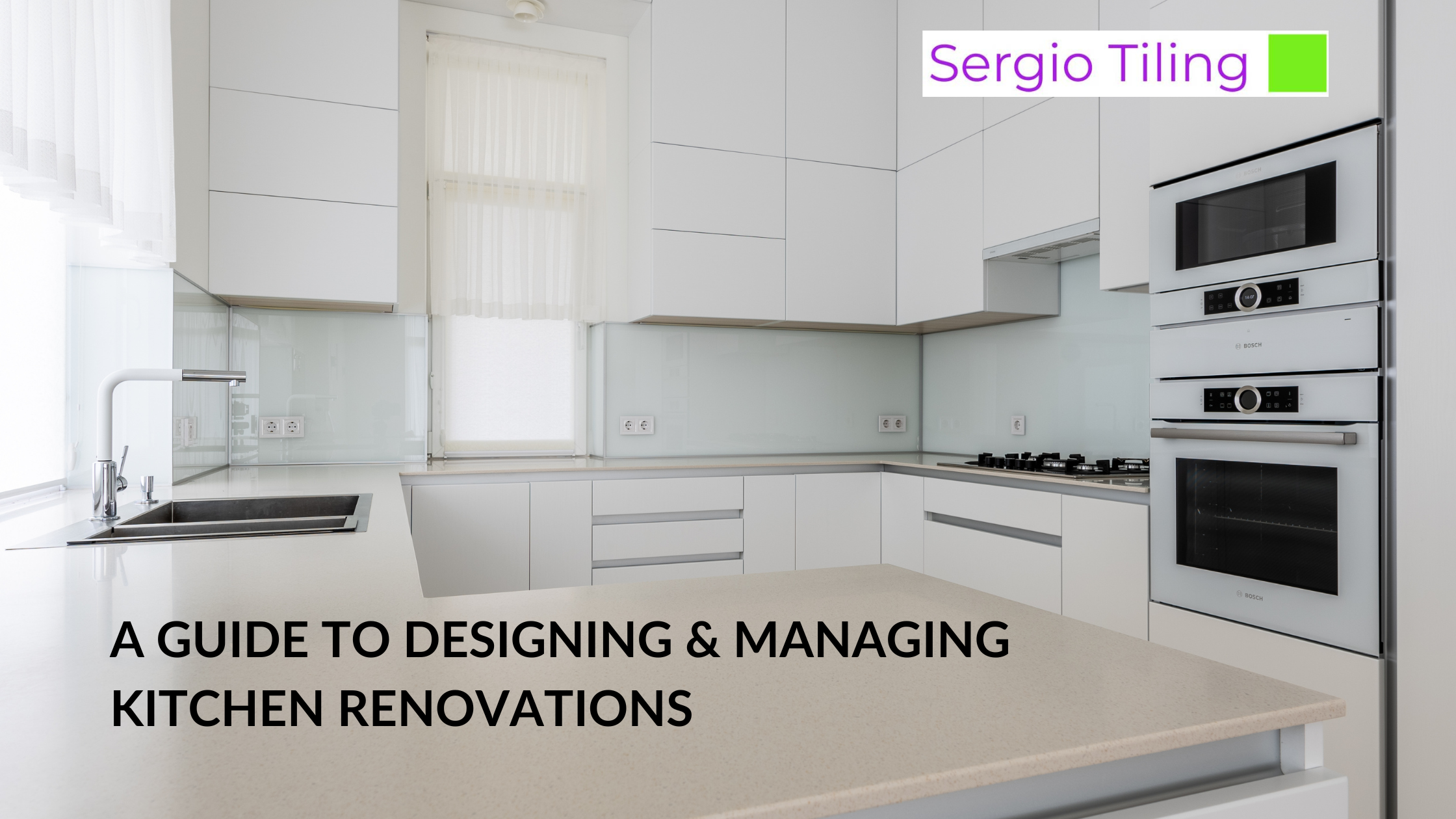
A Guide to Designing & Managing Kitchen Renovations
A kitchen renovation is among the most satisfying upgrades you can make to your home. It not only enhances the heart of your living space with improved functionality and style but can also boost your property’s market value. That said, without careful planning and smart execution, the process can easily turn into a stressful and expensive undertaking.
If you’re planning kitchen renovations, here’s a step-by-step guide to help you design and manage your project with confidence.
- Define Your Goals and Budget
Before diving into colour palettes and appliances, take time to understand what you want to achieve. Ask yourself:
- Do I want more storage space?
- Is my goal to create a modern, open-plan kitchen?
- Am I upgrading for personal use or for resale value?
Once your goals are clear, set a realistic budget. Remember to include costs for materials, labour, appliances, and a buffer for unexpected expenses—typically around 10–15% of your total budget.
- Gather Inspiration and Create a Design Plan
Melbourne homes vary from charming period houses to sleek contemporary apartments, so your design should complement your property’s style. Browse home renovation magazines, Pinterest boards, and kitchen showrooms to collect ideas.
Consider factors such as:
- Layout – U-shaped, L-shaped, or galley kitchen designs.
- Workflow – The “kitchen work triangle” between sink, stove, and refrigerator.
- Lighting – Natural light, overhead lights, and task lighting for work areas.
Working with a professional designer or renovation specialist like ensures your ideas are translated into a functional plan that meets building regulations.
- Choose the Right Materials and Finishes
Melbourne’s climate and lifestyle influence material choices. Durable, easy-to-clean surfaces are ideal for busy households, while natural stone or high-end finishes may suit luxury renovations.
Popular options include:
- Benchtops – Quartz, granite, or laminate.
- Cabinetry – Soft-close drawers, custom storage solutions.
- Splashbacks – Tiles, glass, or stainless steel.
we specialises in premium tile installations, ensuring your splashbacks and flooring not only look stunning but also last for years.
- Hire Experienced Tradespeople
The quality of your renovation largely depends on the skills of your tradespeople. Look for licensed, insured, and experienced professionals who understand Melbourne’s building codes. Depending on your design, you may need:
- A builder or project manager.
- Plumbers and electricians.
- Cabinet makers and tilers.
- Obtain Necessary Permits
Some kitchen renovations in Melbourne require council permits—especially if you’re altering plumbing, electrical layouts, or structural walls. Failing to get approval can cause delays and legal issues down the track.
Your renovation specialist can guide you through the permit process, ensuring compliance with local regulations.
- Manage the Renovation Timeline
A well-managed schedule prevents unnecessary stress. Break the project into stages such as demolition, plumbing and electrical work, cabinetry installation, tiling, and finishing touches.
Communication is key—maintain regular check-ins with your tradespeople to track progress and address any issues promptly.
- Add the Final Touches
Once the structural work is done, it’s time for styling. Small details such as handles, tapware, bar stools, and décor bring your kitchen to life. Consider adding indoor plants, pendant lighting, or open shelving for a personal touch.
- Maintain Your New Kitchen
After investing in a renovation, you’ll want to keep it looking its best. Regular cleaning, proper maintenance of appliances, and resealing stone or tile surfaces will extend the life of your kitchen.
Conclusion:
Planning and managing a kitchen renovation may seem overwhelming, but with the right team and a clear plan, it can be an exciting and rewarding process. Whether you want a sleek modern kitchen or a warm, traditional space, your dream kitchen is within reach.